

📅 Updated June 10, 2026
Key Takeaways
- Most storage tank water heaters last 8 to 12 years. If yours is past that and costing more to run, a new water heater usually beats one more repair.
- The clearest signs you need a new water heater: rusty hot water, a rumbling tank, water pooling at the base, and hot water that runs out fast.
- Water seeping from the body of the tank cannot be repaired. A leaking tank means a new water heater, and fast, before it floods the floor.
- Simple rule for whether to repair or replace a water heater: if the repair runs more than about half the price of a new water heater, put the money toward the new water heater.
- A newer water heater with a bad thermostat, heating element, or valve is almost always worth repairing, especially under 8 years old.
- Kansas City’s hard water speeds up sediment and corrosion, so local heaters often need flushing and anode checks sooner than the label suggests.
The clearest signs you need a new water heater are rusty hot water, a rumbling tank, water pooling around the base, and hot water that runs out faster than it used to. Here is the short version before the detail: most tank water heaters last 8 to 12 years, so if yours is in that range and acting up, a new water heater is usually the smarter spend.
If the water heater is newer and the trouble is a single part like a thermostat or heating element, a repair gets you back to hot showers for far less. The one situation with no debate is a tank leaking from its body, which cannot be fixed and needs to be replaced quickly.
Below we walk through the seven signs Kansas City homeowners run into most, how to tell a quick fix from a unit that is finished, what each path costs in 2026, and why local water tends to age these systems faster than the sticker promises.
Repair or Replace? Start Here
Most of the stress around a failing water heater comes down to one question: do you spend money on a fix or buy a new water heater? Two things settle it most of the time, the age of the water heater and the cost of the repair measured against the price of a new water heater. A widely used rule of thumb is that once a repair runs past roughly half the cost of a new water heater, the new water heater wins.
A 3 year old heater with a bad thermostat is an easy repair. An 11 year old heater needing a gas valve is usually throwing good money after bad, and a new water heater is the smarter buy.
The table below sorts the situations we see most often, so you can spot where yours likely lands before anyone opens a toolbox.
| Your situation | Likely call | Why |
|---|---|---|
| Tank leaking from the body | Replace | A cracked or rusted-through tank cannot be sealed. Shut off the water and call right away to limit damage. |
| Under 8 years old, bad thermostat or element | Repair | A sound tank with one failed part has years of life left, and the part costs a fraction of a new water heater. |
| Over 10 years old, needs a major part | Replace | Other parts are near the end too. A second repair usually follows within months. |
| Rusty hot water, cold side runs clear | Replace | Rust on the hot side means the tank is corroding from the inside, which is not repairable. |
| Pilot or gas valve trouble, newer unit | Depends | A thermocouple or igniter is a cheap fix. A failing gas valve on an older tank leans toward a new water heater. |
| Rumbling noise, otherwise working | Depends | A flush often quiets it. If sediment has hardened for years, the wear may already be done. |
| Two or more repairs in the last two years | Replace | A unit stuck in the repair cycle keeps failing, and the repairs add up to more than a new water heater. |
Treat it as a starting point, not a final verdict. A short inspection from a licensed plumber confirms the real cause and gives you honest numbers for both paths. If you would rather skip straight to a professional look, our water heater repair and replacement team can usually diagnose it the same day.
7 Signs You Need a New Water Heater (or a Repair)
Not every symptom means the whole unit is finished. Some point to a single part, some point to a tank that is past saving. Here are the seven signs that matter most, and what each one usually means.
1. You Have No Hot Water or It Runs Out Fast
A water heater not working at all, lukewarm water, or hot water that vanishes mid shower is the most common reason people start shopping for a new water heater. On an electric heater, that usually points to a failed heating element or thermostat, both repairable on a sound tank. On a gas heater, a pilot that will not stay lit, a bad thermocouple, or a failing gas valve is the usual culprit.
A few checks rule out the simple stuff before you assume the worst. On electric units, look at the breaker and the reset button on the thermostat. On gas units, confirm the pilot is lit and the gas is on. If the pilot keeps dying or you smell gas, stop and call a pro, since that crosses into gas safety rather than just the heater. We handle those diagnostics as part of our gas line services. When the tank is fine and only a part has failed, repair is almost always the right call.
2. The Tank Is Making Noise
A water heater making noise, usually a rumble, pop, or knock when it heats, is one of the most misread signs. The sound is not the tank about to burst. It is sediment, a hard layer of minerals that settles on the bottom and traps water underneath. As that water heats and forces its way out, you hear the banging.
Caught early, a flush clears the sediment and the noise stops. Left for years, that layer bakes onto the steel, builds heat where it should not, and weakens the tank from the inside. A standard tank should be flushed about once a year, more often in hard water. If your heater has rumbled a long time, a flush may quiet it without undoing the wear already done, and that is the point where repair starts shading into replacement.
3. Your Hot Water Looks Rusty or Smells Metallic
Brown, orange, or metallic-tasting hot water points to corrosion. Inside every tank sits a sacrificial anode rod that rusts on purpose so the tank does not. Once that rod is spent, the steel tank starts to corrode, and that rust ends up in your water. A fresh anode rod can buy a sound tank more years for a modest cost, but widespread rust usually means the tank is on the way out and a new water heater is due.
One field test before you assume the worst: run the cold water. If only the hot side is rusty, the heater is the source. If the cold side is rusty too, the problem is your pipes or the incoming supply, not the tank, and the fix lives on the water line side instead. Getting that right saves you from replacing a heater that was never the problem in the first place.
If you catch it early, swapping a spent anode rod is a small job that can add years to an otherwise healthy tank. The trick is timing, because once rust is visibly in the water, the tank wall is usually already compromised. That is exactly why we check the anode during routine service instead of waiting for the water to turn brown.
4. There Is Water Pooling Around the Base
Water on the floor around the water heater is the sign no one should sit on. First rule out the easy causes: a loose drain valve, a dripping temperature and pressure relief valve, or plain condensation on a humid day. Those are repairable. But if the water is seeping from the body of the tank itself, the tank has failed, and a failed tank cannot be patched.
Plumbers and the Department of Energy agree on this one: a leaking tank has to be replaced. Beyond the cost of a new water heater, a tank that lets go can dump 40 or more gallons onto a basement or utility room floor. If you see pooling that traces back to the tank, shut off the water supply to the heater and get a water heater replacement scheduled before a slow leak becomes a flood.
5. The Temperature Swings Hot to Cold
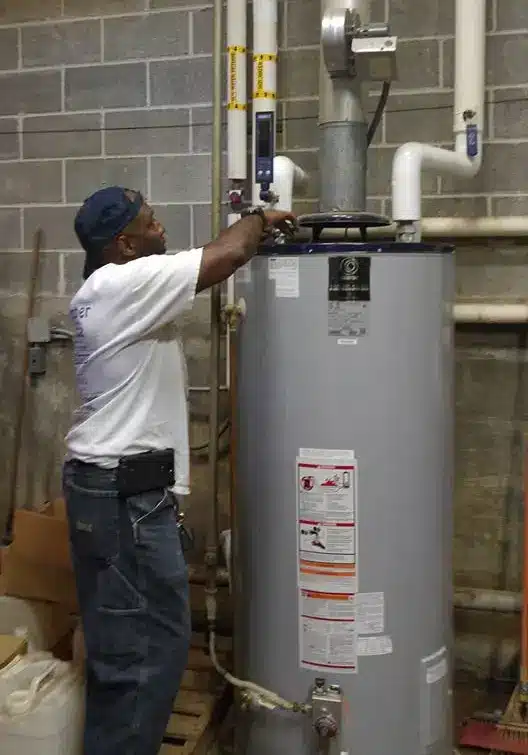
Water that runs hot, then cold, then hot again usually traces back to a failing thermostat, a worn heating element, or sediment throwing off how the tank heats. On its own, on a water heater that is not too old, this is a repairable fault and a good sign you caught a problem early.
The catch is timing. Inconsistent temperature on a heater already past 10 years rarely shows up alone. It tends to arrive alongside noise, slower recovery, or creeping bills, and that cluster of symptoms is the tank telling you it is winding down. One swing on a young unit is a service call. The same swing on an old one is a reason to start pricing a replacement.
On an electric unit, water that warms but never gets truly hot often means one of the two heating elements has failed and the other is carrying the whole load. On a tank of any fuel, a broken dip tube can let incoming cold water mix in at the top and dilute the hot. Both are findable in a short visit, which beats guessing.
6. Your Energy Bills Keep Climbing
A water heater quietly losing efficiency shows up on your utility bill before it shows up anywhere else. As sediment builds and parts wear, the unit burns more energy to deliver the same hot water. The U.S. Department of Energy notes that water heating is typically the second largest energy expense in a home, so a struggling unit hits the budget harder than people expect.
If your bills are creeping up with no change in how much hot water you use, the heater is a prime suspect. Setting the thermostat to 120 degrees, flushing the tank, and checking the anode can recover efficiency on a sound unit. On an older one, the math often favors a new water heater that pays part of itself back every month.
7. It Is Old and Needs Frequent Repairs
Age is the quiet sign behind most of the others. A storage tank past 10 years is simply more likely to leak, corrode, and fail, and once one part goes, others tend to follow close behind. If you have called for service two or more times in the last couple of years, you are already paying the early installments on a new water heater without getting one.
This is where knowing the real age matters, because the water heater in your basement may be older than you think, especially in a home you did not buy new. The next section shows how to read that age straight off the tank.
What to Do Right Now If You Lose Hot Water
Before you assume the worst, a few safe checks can save a service call, or at least tell the plumber exactly what is happening. On an electric water heater, look at the breaker first, then press the red reset button on the upper thermostat behind the access panel. On a gas unit, make sure the gas is on, the pilot is lit, and the temperature dial has not been bumped down. If hot water returns, you caught a small hiccup rather than a dying tank.
Stop there if anything feels off. Do not relight a pilot if you smell gas, do not open up wiring if you are unsure, and never ignore water on the floor. Instead, note what you saw: how long the hot water lasts, any noises, whether the water looks discolored, and where any leak seems to start. That short list helps a technician pinpoint the fault fast and gives you a more accurate quote on the spot.
How Old Is Your Water Heater?
Knowing when to replace your water heater starts with knowing how old it is, and the tank tells you if you know where to look. Find the manufacturer’s sticker, usually high on the side of the unit, and read the serial number. On most brands it starts with a letter and two digits, like “D07.”
The letter is the month, counted by its position in the alphabet, and the two digits are the year. So “D07” means the fourth month of 2007, which is April 2007. “A98” means January 1998. Formats vary a little by manufacturer, but that letter-then-year pattern covers most tanks you will find in Kansas City homes. Once you have the age, the chart below shows where your unit sits against the typical lifespan for its type.
If your tank is near or past the top of its range, even a minor fault is worth a second look. A water heater that age can fail outright on a cold morning, and a planned new water heater on your schedule is far cheaper and calmer than an emergency one while the basement is filling with water.
What a Repair Costs vs. a Replacement
Cost is where the repair or replace water heater decision gets real. Most repairs are affordable, and a sound, newer water heater is almost always worth fixing. A new water heater is the larger number, but on an old or failing tank it buys reliability and lower running costs that a repair cannot. Here are the typical 2026 ranges for the Kansas City area, installed where noted.
| Job | Typical 2026 range | Notes |
|---|---|---|
| Common repair (thermostat, element, flush, valve) | $150 to $700 | Simple part swaps sit at the low end. A gas valve or complex leak runs higher. |
| Standard tank, installed | $900 to $1,800 | 40 to 50 gallon gas or electric, straight swap, old unit hauled away. |
| Heat pump / hybrid, installed | $1,800 to $3,500 | Higher upfront, lowest running cost, may qualify for efficiency rebates. |
| Tankless, installed | $1,400 to $5,600 | Wide range driven by gas, venting, and electrical upgrades. |
Put the two numbers side by side and the half-the-cost rule does the work. An $800 repair on a 12 year old tank does not make sense when a new water heater runs $1,200 to $1,500 installed and resets the clock. A $250 element on a 5 year old water heater is a clear repair. A few things move the replacement number: labor and access if the water heater is in a tight closet or attic, switching fuel types, permit fees, and the premium that comes with an emergency same-day swap.
For a wider look at how plumbing work is priced, our guide on what a plumber costs breaks down the factors that move a quote.
Whatever the number, ask for it in writing and itemized before any work starts. A fair quote spells out the water heater, the labor, removal and disposal of the old tank, and any permit or code upgrade. A single lump sum with no detail, or a price that swings wildly between companies for the same straight swap, is worth a second opinion.
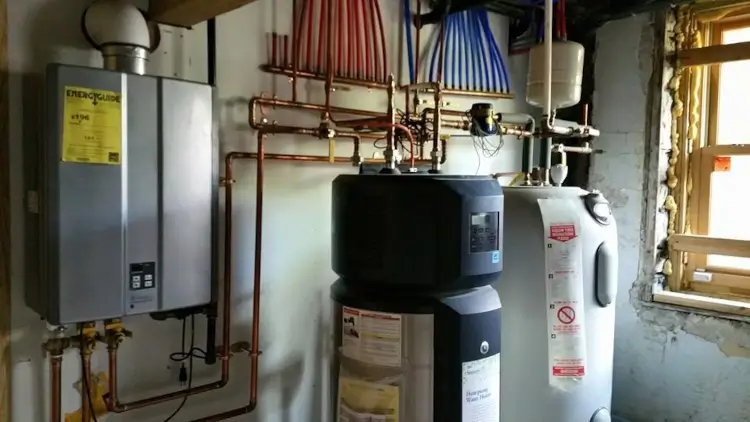
When you are buying a new water heater rather than repairing, it is worth a quick thought about tank versus tankless. A standard tank is cheaper upfront and the simplest swap. A tankless unit costs more to install but heats only on demand, runs more efficiently, and often lasts 20 years or more, close to double a tank. If you plan to stay in the home a while, the longer life and lower bills can tip the math toward tankless. If you need hot water back today on a tight budget, a like-for-like tank is the practical choice.
Fuel type matters too. Gas tanks cost a bit more to buy but usually less to run, and they keep making hot water in a power outage. Electric tanks are cheaper upfront but cost more month to month. A heat pump, or hybrid, electric unit runs far more efficiently than a standard electric model and can qualify for efficiency rebates, though it needs some open space and a warmer spot to work well. The simplest and cheapest install is almost always a like-for-like swap in the same fuel and the same location.
Not sure which side of the line your heater falls on? A quick diagnostic gives you real numbers for both repair and replacement, with no pressure either way. Call John the Plumber at (816) 708-2020.
Will a New Water Heater Pay for Itself?
It will not pay for itself overnight, but over its life a new water heater can claw back a real share of the cost. Older tanks lose efficiency as sediment and wear force them to work harder, so an aging heater is quietly padding your utility bill every month. A new water heater trims that waste, and a tankless or heat pump unit trims it further while lasting longer between replacements.
The savings depend on your fuel, your usage, and the model you choose, so treat any single dollar figure with caution. The honest way to look at it: if your current heater is old, inefficient, and creeping toward failure anyway, a planned new water heater turns an unavoidable expense into one that lowers your monthly bills and removes the risk of a flooded floor. That is a far better trade than pouring repair money into a tank already on borrowed time.
How to Make Your Water Heater Last Longer
A little upkeep adds years to a tank and keeps small faults from snowballing into a full replacement. None of it is complicated, and all of it is cheap next to a new water heater.
- Flush the tank about once a year, more often in hard water, to clear sediment before it bakes onto the steel.
- Have the anode rod checked every few years and swapped when it is worn, so it keeps protecting the tank instead of letting the tank corrode.
- Set the thermostat to 120 degrees. It is safer against scalding and slows mineral buildup and corrosion inside the tank and pipes.
- Test the temperature and pressure relief valve once a year by lifting the lever, since a stuck relief valve is a genuine safety risk.
- Keep the area around the unit clear, and on gas models make sure the burner and venting stay clean and unobstructed.
On a heater that has been neglected for years, this maintenance may only slow the decline rather than reverse it. But on a water heater caught in time, it is the cheapest way to push the replacement date further out. We can handle a flush, an anode check, and a full safety inspection in a single visit.
Why Kansas City Water Heaters Wear Out Faster
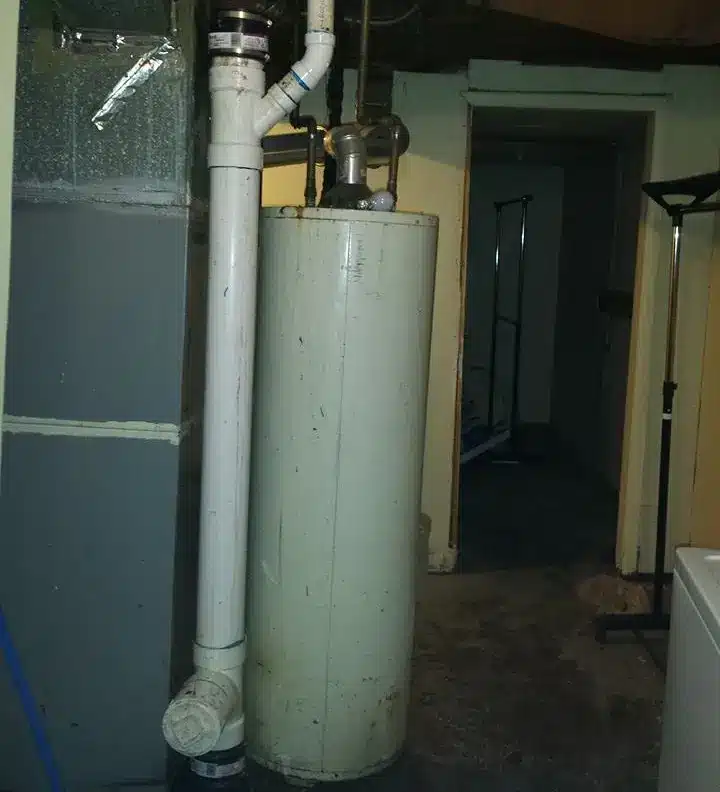
The lifespan numbers on a heater’s label assume average conditions, and Kansas City water runs harder than average. The extra minerals settle out as sediment faster, which means more rumbling, quicker efficiency loss, and anode rods that get eaten through sooner than the manual predicts. We regularly pull rods that are completely spent on tanks only six or seven years old, which is a big part of why local heaters tend to show their age early.
Two habits push back against it. Flush the tank yearly, and more often if your water is especially hard, to keep sediment from baking onto the steel. Have the anode rod checked every few years so a worn one gets swapped before the tank starts to corrode. Older KC homes add another wrinkle, since many still run original supply lines and undersized setups that put extra strain on the heater.
That local pattern is the case for catching problems early instead of waiting for a failure that forces an emergency new water heater. If you want eyes on your water heater before the next cold snap, a plumber near you can check the age, the anode, and the sediment in one short visit.
The Bottom Line
The signs you need a new water heater rarely show up one at a time. Rusty hot water, a rumbling tank, swinging temperatures, climbing bills, and age tend to cluster, and that cluster is the tank telling you its time is short. A single fault on a newer water heater is a repair. Several faults on an older one, or any leak from the tank body, means a new water heater. When in doubt, the age of the water heater and the cost of the fix against a new water heater will point you the right way nearly every time.
Cold showers, rusty water, or a puddle on the floor?
John the Plumber has kept hot water flowing in Kansas City homes and businesses for more than 30 years. We diagnose the real problem, give you honest numbers for both repair and replacement, and handle same-day or next-day service across the metro on both the Missouri and Kansas sides. No extra charge for Saturdays.
Water Heater FAQs
Still weighing a fix against a new unit? These are the questions Kansas City homeowners ask us most when a water heater starts acting up, with straight answers to help you decide what to do next.
Is it cheaper to repair or replace a water heater?
Usually repair, if the unit is sound and under about 8 years old, since most repairs run $150 to $700. Once a repair passes roughly half the price of a new water heater, or the tank is over 10 years old, a new water heater is the better value because it resets the lifespan and lowers running costs.
How do I know if my water heater is going out?
Watch for rusty hot water, a rumbling or popping tank, water pooling at the base, hot water that runs out fast, swinging temperatures, and rising energy bills. One sign on a newer water heater is often a simple repair. Several signs together, especially past 10 years, point to a new water heater.
Can a leaking water heater be repaired?
It depends where the leak is. A drip from a valve or loose fitting is usually a quick repair. But if water is seeping from the body of the tank itself, the tank has failed and cannot be sealed, so it needs replacing. Shut off the water supply to the heater and call a plumber promptly.
Why is my water heater making a rumbling noise?
Rumbling, popping, or knocking is almost always sediment, a hard mineral layer on the tank bottom that traps water and pops as it heats. A flush often clears it if caught early. If the noise has gone on for years, the sediment may have already worn the tank, which leans toward replacement.
What does rusty hot water mean?
Rusty or metallic hot water usually means the tank is corroding inside after the anode rod wears out. Run the cold tap to check: if only the hot side is rusty, the heater is the source. If the cold side is rusty too, the problem is your pipes or supply line, not the water heater.
Should I replace my water heater before it fails?
If your tank is past 10 years and showing symptoms, yes. A new water heater planned in advance lets you pick the unit and the timing and skip the emergency premium of a sudden failure. Kansas City’s hard water tends to age tanks early, so getting ahead of it often saves money and a flooded floor.