

📅 Updated June 22, 2026
Key Takeaways
- A drain screen over every sink, tub, and shower is the single most effective way to protect your bathroom drains.
- Hair and soap scum cause most clogs, and they build slowly on the pipe walls long before water ever slows down.
- Keep grease, wipes, and so called flushable products out of your bathroom drains, since they harden and trap everything behind them.
- Treat drains monthly with an enzyme or bacterial cleaner, which is safe for pipes and septic systems, and skip caustic chemicals.
- A weekly hot water flush and a quick stopper cleaning keep buildup from turning into a clogged bathroom drain.
- Call a Kansas City plumber when clogs keep returning, several fixtures back up, or you smell sewage, all signs of a deeper line problem.
The fastest way to protect your bathroom drains is to do four simple things: cover every drain with a screen, keep hair, wipes, and grease out of your bathroom drains, flush the lines with hot water on a schedule, and call a plumber when a clog keeps coming back. Do that and most bathroom drains never clog at all.
That is the short version. Below we cover exactly how to protect your bathroom drains step by step, what really causes the worst clogs in Kansas City homes, a maintenance routine you can actually keep, and how to tell a quick fix from a job that needs a pro.
A clogged bathroom drain almost never happens overnight. It builds slowly as hair, soap scum, and toothpaste collect on the pipe walls until water finally slows to a trickle. The good news is that nearly every cause is preventable with habits that take seconds a day.
How to Protect Your Bathroom Drains: 7 Habits That Work
Protecting your bathroom drains is mostly about keeping the wrong things out and rinsing buildup away before it sets. These seven habits handle the clogs we pull out of Kansas City bathroom drains week after week.
1. Put a Drain Screen Over Every Opening
A drain screen is the cheapest and most effective tool you have for your bathroom drains. A simple mesh screen or strainer catches hair, soap chunks, and grit before they reach the pipe. You can find a drain screen for a sink, tub, or shower at any hardware or grocery store, and most just lay in place.
Empty the drain screen after each use and let it dry. Once every couple of weeks, pull the stopper too and clear what has gathered underneath. Two minutes here saves you from the slow, smelly backups that fill a bathroom sink while you brush your teeth.
2. Be Careful What Goes Down the Drain
Screens stop solids, but plenty of clog makers pour straight through. Hair, soap scum, facial tissue, cotton swabs, and even too much toilet paper all build up fast in bathroom drains. Bar soap is a sneaky culprit, since it leaves waxy chunks on the pipe wall. Liquid soap is a safer pick for a bathroom sink.
Grease is the worst offender of all. Fats, oils, and grease cool, harden, and cling to the inside of the pipe, and they are the single most common cause of sewer blockages nationwide, responsible for nearly half of all reported backups according to Clemson University research on FOG pollution. Never rinse grease down any drain. Wipe pans with a paper towel and trash it, or pour cooled grease into a can.
3. Catch Hair Before It Reaches the Drain
Hair is the number one cause of clogged bathroom drains, and most of it is easy to stop. Brush your hair before you shower so loose strands end up in the trash instead of the drain. For long hair, a quick wipe of the tub after each wash keeps stray strands from washing down and knitting into the soap on your pipe walls.
4. Bathe Pets Outside When You Can
Pet hair is coarse and clumps fast, and it wraps around a drain screen like a net that grabs everything else. When weather allows, wash pets outdoors with a hose and bucket. If you have to use the tub, lay a washcloth over the drain first to catch the hair, then shake it into the trash when you finish.
5. Flush Your Bathroom Drains With Hot Water on a Schedule
A weekly flush keeps a thin film from turning into a hard clog. Once a week, run hot water down each bathroom sink, tub, and shower for a minute to move fresh buildup along. After you brush your teeth, let the tap run a few seconds so toothpaste does not settle in the trap.
Skip boiling water if you have PVC pipes, since it can soften the joints. Hot tap water is plenty for routine maintenance on your bathroom drains.
6. Treat Drains With Enzymes, Not Harsh Chemicals
An enzyme or bacterial drain treatment is the smartest product to keep on hand. Live bacteria and enzymes digest the hair, soap scum, and grease coating your bathroom drains, and they are safe for every pipe material and for septic systems. There are no fumes and no corrosion risk. Pour it in at night when the drain will sit unused so it has hours to work.
What you want to avoid is the bright bottle of chemical drain opener. Those use acid or lye that generates heat, eats at older cast iron and galvanized pipe, and usually clears only a narrow channel so the clog returns. Reaching for chemicals is one of the most common drain cleaning mistakes we see, and it often turns a cheap fix into a pipe repair.
7. Protect the Drains in the Rest of Your Home
The same habits that protect your bathroom also prevent clogged drains in the rest of your home. Drop a mesh screen in the kitchen sink to catch food, and never treat the disposal as a trash can. In the laundry room, slip a lint catcher or an old nylon stocking over the washer drain hose, since lint, threads, and the odd sock are a common cause of hidden clogs.
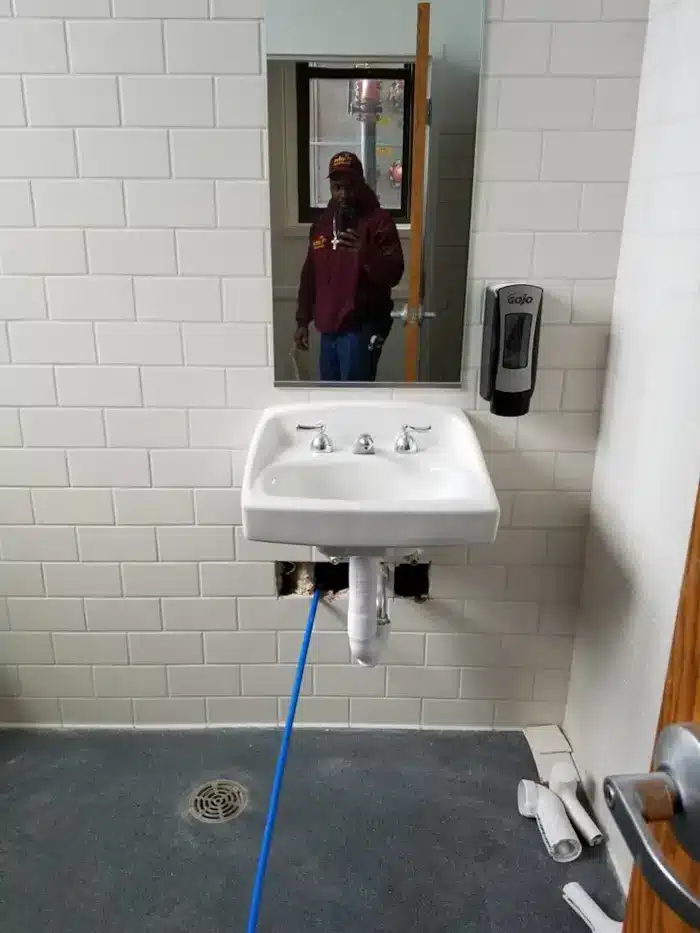
When you are not sure whether something is safe for your bathroom drains, this quick reference covers the items that cause the most trouble.
| Item | Safe to send down? | What it does in the pipe |
|---|---|---|
| Water and liquid soap | Safe | Rinses through clean and leaves no residue |
| Hair | Never | Knots with soap and forms a solid plug |
| Bar soap residue | Risky | Leaves waxy chunks that coat the pipe wall |
| Grease, oils, and fats | Never | Hardens and traps everything behind it |
| Wipes, including flushable wipes | Never | Do not break down and snag on rough spots |
| Cotton swabs and dental floss | Never | Tangle and catch passing debris |
| Toothpaste | Risky | Settles in the trap, so chase it with hot water |
| Enzyme drain treatment | Safe | Digests buildup and is safe for pipes and septic |
What Actually Clogs Your Bathroom Drains
Understanding the cause makes prevention easy. Almost every clog in your bathroom drains comes from a short list of materials that build in layers until water cannot pass.
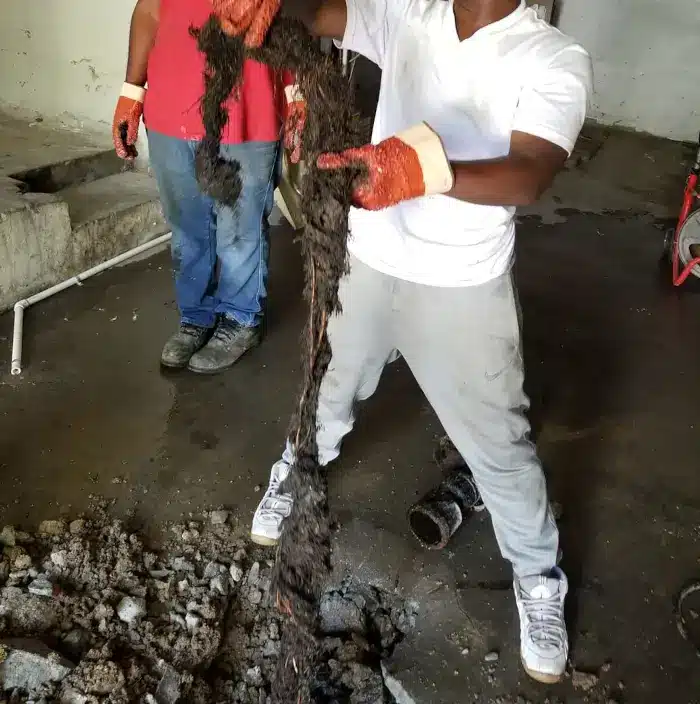
It starts as a film. Each shower sends hair and a little soap down the drain, and they catch on any rough spot or fitting inside the pipe. Over weeks that film thickens into a mat. Here is the part most homeowners never see: on a bathroom sink, the first clog usually forms on the pop up stopper pivot rod, where hair and soap twist into a rope you can lift out by hand before it ever reaches the trap.
Grease and FOG make it worse by acting like glue. Mineral scale from hard water narrows the pipe further, and wipes or paper products give everything else something to snag on. Put those together and a drain that ran fine in spring is crawling by fall.
Top causes of bathroom drain clogs, ranked by how often they are the culprit in residential service calls.
Early Warning Signs Your Bathroom Drain Is About to Clog
A full backup is rarely a surprise. Your bathroom drains almost always warn you first, and catching the signs early turns a two minute fix into a job you never have to think about. Watch for these.
The water drains slower than it used to. A sink that emptied in seconds now takes a minute, which means buildup is already narrowing the pipe. You hear a gurgle as it drains, a sign that air is trapped behind a partial clog. A faint sewer or musty smell rises from the opening, which points to organic gunk breaking down on the pipe walls.
The most serious sign is when more than one fixture acts up at once, or when water rises in the tub while the sink drains. That usually means the problem is past a single fixture and sitting in a shared line. Catch any of these early and your bathroom drains rarely reach a full backup.
Why Older Kansas City Homes Have More Bathroom Drain Problems
If your home was built before the 1980s, your bathroom drains are probably cast iron or galvanized steel, and those pipes clog more easily than modern PVC. Both corrode from the inside out, and the rough, scaled surface that leaves behind grabs hair and soap the way Velcro grabs lint. A pipe that started out smooth ends up with a gritty interior that turns a minor rinse of debris into a stubborn clog.
That rough interior is also why chemical drain cleaners are so risky in older Kansas City houses. The acid eats at metal that is already thinning, and we have seen it open pinhole leaks in galvanized lines that were holding fine the week before. This is the case where an enzyme treatment really earns its place, since it clears organic buildup without touching the pipe itself.
Older homes are worth a yearly look for another reason. Decades of buildup narrows the pipe, so the same habits that keep newer bathroom drains clear may not be enough on their own. If you live in one of Kansas City’s older neighborhoods and your bathroom drains have slowed over the years, a camera inspection shows exactly what the pipe looks like inside before a small clog becomes a backup.
A Simple Bathroom Drain Maintenance Schedule
Prevention works best as a routine. None of this takes long, and it is far cheaper than a service call. Keep to this schedule and your bathroom drains stay clear year round.
| Task | How often | Why it helps |
|---|---|---|
| Empty and rinse drain screens | After each use | Stops hair and grit at the surface |
| Flush with hot water | Weekly | Moves fresh film before it hardens |
| Pull and clean the pop up stopper | Every 2 to 4 weeks | Clears the exact spot clogs start |
| Run an enzyme treatment | Monthly | Digests buildup deep in the pipe |
| Wipe the tub after long hair washes | As needed | Keeps loose strands out of the drain |
| Professional drain cleaning | Yearly, or sooner for repeat clogs | Removes what home methods cannot reach |
How to Clear a Slow Bathroom Drain Yourself
If a bathroom drain is already slow, you can usually clear it without a plumber, as long as it is the only fixture acting up. Work through these steps in order, from the gentlest to the most hands on, and stop as soon as the water runs freely again.
Start at the Stopper
Most bathroom sink and tub clogs sit within a few inches of the opening, right at the pop up stopper. Lift or unscrew the stopper, pull out the wad of hair and soap wrapped around it, and rinse it clean. A flexible barbed drain tool from the hardware store, often a couple of dollars, reaches a little deeper and pulls out even more. This one move clears a surprising share of slow bathroom drains on its own.
Try a Plunger
A small cup plunger works on a sink or tub once the stopper is out. Fill the basin with an inch of water to seal the cup, block the overflow opening with a wet rag so you do not lose suction, then plunge firmly about a dozen times. The pressure can break a soft clog loose and push it through the line.
Flush, Then Go Natural
Run very hot tap water for a minute to soften and move a greasy film. To add a natural treatment, pour in a half cup of baking soda followed by a half cup of vinegar, let it foam for thirty minutes, then chase it with more hot water. Be honest about this one: it freshens a drain and loosens light buildup, but it will not clear a solid hair clog. Skip boiling water if you have PVC pipes.
Reach for a Hand Snake
When the clog sits deeper, a hand snake or drain auger from the hardware store, usually under thirty dollars, is the next step. Feed it in slowly, turn it through the blockage, and pull it back out with the debris. If you feel it bottom out at a hard bend, or the drain is still slow after two honest tries, stop there. That is the point where forcing it risks the pipe and a pro is the smarter call.
| Method | Best for | Watch out for |
|---|---|---|
| Clean the stopper | Hair clogs near the opening | Wear gloves, it is not pretty |
| Plunger | Soft clogs in a sink or tub | Block the overflow or you lose suction |
| Hot water flush | Light grease and soap film | Skip boiling water on PVC pipes |
| Baking soda and vinegar | A freshening rinse | Will not clear a solid hair clog |
| Hand snake | Clogs deeper in the line | Stop if it bottoms out, do not force it |
Dealing with a clog that keeps coming back no matter what you try? That is a sign of buildup deeper in the line. Call John the Plumber at (816) 708-2020 and we will clear it right the first time.
DIY vs Professional Drain Cleaning: When to Call
The steps above clear most single, slow bathroom drains for the price of a hardware store tool. For a shower specifically, our guide on fixing a slow shower drain walks through it step by step. The question worth answering is when a clog is bigger than any home method can handle.
The picture changes when the problem is bigger than one fixture. A snake punches a hole through a clog but leaves the buildup on the pipe walls, so chronic clogs come back in months. Professional drain cleaning with a drum machine or hydro jetting actually scours the line clean, which is why those results last years instead of weeks.
Watch for the silent signs of a drain clog that point to a deeper issue: more than one slow fixture, gurgling, water backing up between fixtures, or a sewage smell. When you see those, it is time to call a plumber rather than keep guessing at your bathroom drains.
| Situation | Best fix | Typical Kansas City cost |
|---|---|---|
| Single slow sink or tub | Plunger or hand snake (DIY) | $15 to $30 in tools |
| One stubborn fixture clog | Professional snake | $100 to $275 |
| Kitchen line with grease | Professional snake or jetting | $150 to $300 |
| Repeat clogs in one drain | Hydro jetting | $250 to $800 |
| Several fixtures backing up | Main line snake or jetting | $300 to $1,400 |
| Cause unknown and recurring | Camera inspection | $125 to $750 |
Ranges reflect common 2026 pricing for the Kansas City area. Emergency and after hours calls can add 25 percent or more. Ask for a flat rate and a camera inspection before any hydro jetting.
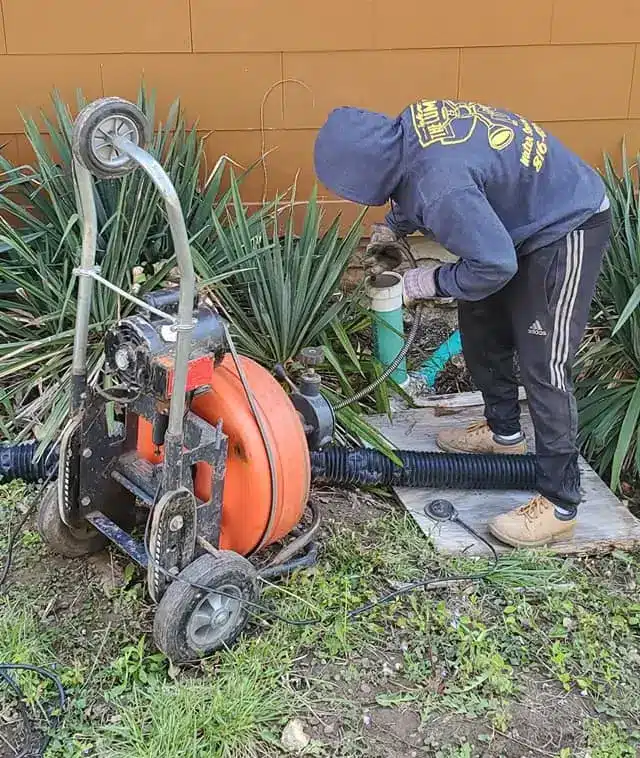
One honest note on value. Paying around $150 to snake the same drain three times a year costs more than one thorough cleaning that keeps it clear for years. If a drain has backed up more than twice, ask about jetting or a camera inspection instead of repeating the cheap fix on your bathroom drains.
Protect Your Bathroom Drains With Help From John the Plumber
Owner and master plumber John Hunt has cleared Kansas City drains for over 30 years. From a single slow sink to a main line packed with grease, we fix the cause, not just the symptom, with honest pricing and same or next day service across the metro.
Protecting your bathroom drains comes down to a few easy habits and knowing when a clog is bigger than a plunger can handle. Screen every drain, keep grease and hair out, rinse with hot water, and treat with enzymes once a month. When a clog keeps coming back, we are a call away.
Bathroom Drain FAQs
Quick answers to the questions Kansas City homeowners ask us most about keeping bathroom drains clear and knowing when a clog needs a pro.
How do I keep my bathroom drains from clogging?
Cover each drain with a mesh screen, keep hair, wipes, and grease out of the pipes, and flush the lines with hot water every week. A monthly enzyme treatment digests buildup before it hardens. Together these habits stop most bathroom drain clogs before they ever have a chance to start.
What is the best thing to pour down a bathroom drain to keep it clear?
An enzyme or bacterial drain treatment is the safest choice. Live bacteria digest hair, soap scum, and grease without harming pipes or septic systems. Use it overnight about once a month, and flush with hot water weekly. Skip caustic chemical cleaners, which corrode pipes and rarely fix the real clog.
Are chemical drain cleaners bad for my pipes?
Yes. Most store cleaners use sulfuric acid or lye that generate heat and slowly eat at pipe walls, especially in older cast iron and galvanized steel. They also rarely clear the whole clog, so it comes right back. Enzyme treatments or a plumber snake are safer and far more effective over the long term.
Why does my bathroom drain smell?
A bad smell usually means organic buildup. Hair, soap scum, and bacteria coat the pipe walls and the overflow, releasing odor as they break down. A dry P-trap can also let sewer gas rise up. Flush with hot water, run an enzyme treatment, and refill the trap. Persistent odors point to a deeper clog.
How often should I clean my bathroom drains?
Flush each drain with hot water weekly and run an enzyme treatment monthly. Pull and clean the pop up stopper every two to four weeks, since that is where hair and soap collect first. Homes with long hair, pets, or older pipes should clean more often. Yearly professional cleaning prevents surprises.
When should I call a plumber for a clogged bathroom drain?
Call a pro when more than one fixture drains slowly, when a clog returns within weeks, when water backs up between fixtures, or when you smell sewage. These point to a problem deeper in the line that a plunger or store snake cannot reach. A camera inspection finds the real cause fast.
How do I unclog a bathroom drain without chemicals?
Start by pulling the pop up stopper and clearing the hair wrapped around it. Next try a plunger with the overflow blocked, then a flush of hot water. A hand snake reaches deeper clogs. Skip caustic drain cleaners, which damage pipes. If the drain is still slow after two tries, call a plumber.