
📅 Updated June 20, 2026
Key Takeaways
- Call a plumber right away for a burst pipe, sewer backup, gas smell, ruptured water heater, or total loss of water. Those are true plumbing emergencies and they do not wait.
- A water bill that jumps with no change in usage almost always means a hidden leak, so call a plumber for a leak check before it reaches your walls or slab.
- Whole house low water pressure, recurring drain backups, and rusty water are clear signs you need a plumber, not DIY jobs.
- No hot water, a popping tank, or pooling at the base means it is time to call a plumber about your water heater before it ruptures.
- In a hard freeze, frozen or burst pipes are an emergency. Shut off your main water valve, then call a plumber for help.
- When you are unsure, call a plumber and describe the problem. John the Plumber serves the Kansas City metro with same day and emergency service.
If you are not sure when to call a plumber, here is the short answer: call a plumber any time you see water where it does not belong, smell sewage, lose water pressure across the whole house, watch your water bill jump for no reason, or run out of hot water. Those are the clearest signs you need a plumber, and the sooner you act, the smaller the repair. Below we break down every warning sign in plain language, show you what counts as a true plumbing emergency versus what can wait until morning, and explain what to expect when you call our team here in Kansas City.
Plumbing trouble loves to start small. A drip under the sink, a drain that empties a little slower than last month, a faint odor near the floor. Ignored, those turn into ceiling stains, a flooded basement, and a bill many times larger than the early fix would have been. Learning to read the signs of a plumbing problem, and trusting them, is the best protection you have for your home and your budget. Here are the signs that mean it is time to pick up the phone and call a plumber.
Emergency or Can It Wait? Know Before You Call a Plumber
Not every issue is a 2 a.m. crisis. Some need help within the hour, some can wait for a normal appointment, and a few you can watch yourself for a day. A true plumbing emergency is anything actively causing damage or leaving you without safe water: a burst pipe, a sewer backup, a ruptured water heater, the smell of gas, no water at all, or frozen pipes about to split. Everything else is urgent or routine. The color guide below sorts the most common problems so you know when to call a plumber right now and when you have a little time.
| Warning sign | How urgent | What to do |
|---|---|---|
| Burst pipe or gushing water | Call now | Shut the main valve, then call a plumber immediately. |
| Sewage backing up or a strong sewer smell | Call now | Stop using water and call a plumber. |
| No water at all, or a gas smell | Call now | Leave gas valves alone, call a plumber and the utility. |
| Water heater leaking from the tank body | Call now | Shut off its water and power, then call a plumber. |
| Water bill spike or suspected hidden leak | Call soon | Book a leak check within a few days. |
| Low pressure across the whole house | Call soon | Schedule a diagnosis. |
| Slow or gurgling drains | Call soon | Skip the chemicals, book drain cleaning. |
| Discolored or rusty water | Call soon | Stop drinking it, schedule a line check. |
| One dripping faucet | Monitor | Repair at your convenience. |
| A single slow sink | Monitor | Try a plunger first. |
Use this as a quick reference, then read the detailed signs below. When you are in doubt, the safest move is always to call a plumber and describe what you are seeing.
10 Signs You Need to Call a Plumber
These are the signs you need a plumber, from the obvious emergencies to the quiet warnings that are easy to miss.
1. You Smell Sewage or a Foul Odor
A sewer smell inside your home is never normal, and it is one of the most common reasons to call a plumber. That rotten egg or raw sewage odor usually points to a dried out drain trap, a cracked vent, or trouble out in your main line. If the smell rides in with heavy rain or hangs around a floor drain, the problem is often deeper in the system. Sewer gas is also a health and safety issue, so do not try to wait it out. If the odor keeps returning, call a plumber and have your sewer line checked by a professional before it becomes a backup.
2. Low or Fluctuating Water Pressure
When pressure drops at a single faucet, the fix is usually a clogged aerator. When it drops across the whole house, that is a sign you need a plumber. Whole home pressure loss can mean a hidden leak, corroded galvanized piping, a failing pressure regulator, or a problem on the service line feeding the house. Pressure that surges and fades is worth a look too. You can read the full rundown in our guide to the causes of low water pressure, but when more than one fixture runs weak at the same time, it is time to call a plumber.
3. Slow Drains or Standing Water
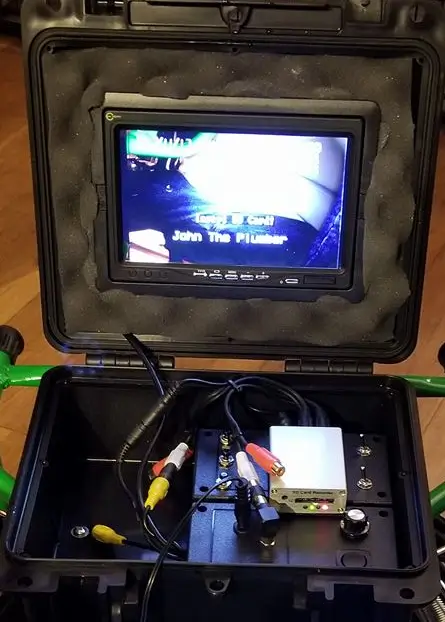
One slow sink you can plunge is routine. Drains that are all sluggish, gurgle, or back up into each other point to a blockage deeper in the line, and that is when to call a plumber. Reaching for chemical drain cleaner tends to make things worse, since it can sit on a clog and corrode older pipe. In many older Kansas City neighborhoods we still service cast iron and clay drain lines laid decades ago, and the tell is a drain that clears with a snake then slows again within a few weeks. That repeating pattern means the pipe itself, not just the clog, needs attention.
If your drains are slow across the home or a clog keeps coming back, call a plumber for professional drain cleaning that clears the line properly and shows whether the pipe is the real problem.
4. A Water Bill That Jumps for No Reason
If your usage has not changed but your bill climbs, you almost certainly have a hidden leak, and that is a clear reason to call a plumber. A running toilet, a slab leak, or a weeping joint inside a wall can waste water around the clock without a single visible drop. Even a slow faucet drip adds up faster than most people expect. The chart below uses figures from the United States Geological Survey to show how much water one dripping faucet wastes in a year at different drip rates.
A faucet dripping once per second wastes more than 2,000 gallons a year, and a hidden line leak can lose far more. You can run your own numbers with the USGS drip calculator. If your bill jumped and you cannot find the source, that water is going somewhere, often into a wall or under a slab, so call a plumber for a water line inspection that tracks it down.
5. Visible Leaks, Water Stains, or Mold
Puddles are obvious, but the quiet signs matter just as much. A brown ring on the ceiling, bubbling paint, a warm spot on the floor, or a musty smell in the basement all say water is escaping somewhere it should not. Damp conditions invite mold, which brings its own health and structural problems, so this is firmly a sign you need a plumber. Wrapping a towel around the spot and hoping it dries is not a fix. A small pipe leak behind drywall can rot framing and ruin insulation long before you ever see a drip, so call a plumber the moment you notice unexplained dampness.
6. Banging, Rattling, or Gurgling Pipes
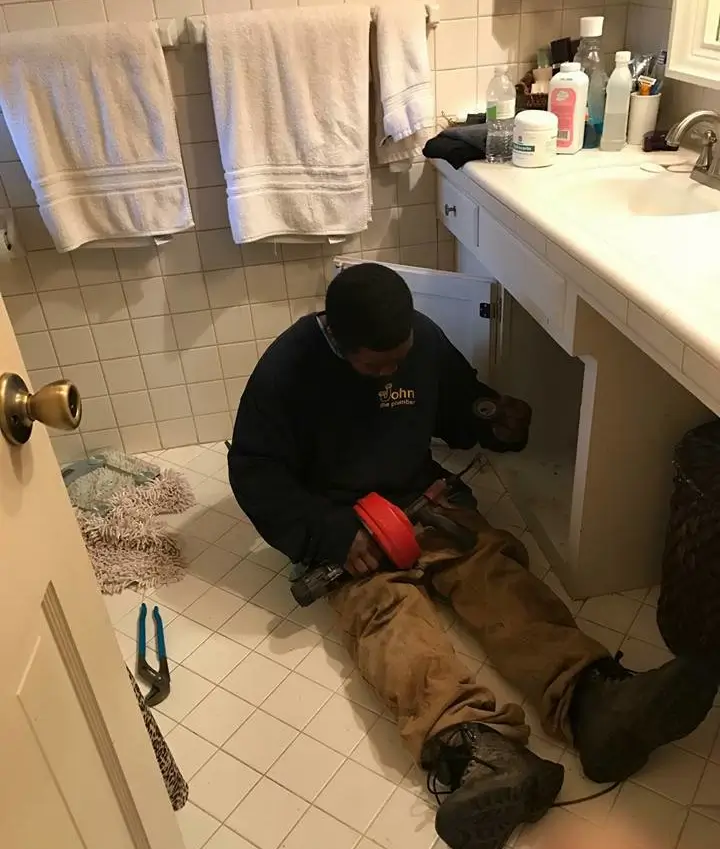
Pipes should run quietly. A loud bang when you shut off a tap is water hammer, caused by high pressure or worn air chambers, and over time it can loosen joints and split a line. Rattling often means a pipe is no longer strapped down. Gurgling from a drain after you flush usually signals trapped air from a developing blockage or a venting problem. None of these noises fix themselves, and each is a reason to call a plumber before a stressed joint gives out. If your pipes have started talking, call a plumber and have them checked while the repair is still small.
Not sure how urgent your problem is? You do not have to guess. Describe what you are seeing and we will tell you straight whether it can wait or needs a same day visit. Call John the Plumber at (816) 708-2020 or send us a message.
7. Discolored or Rusty Water
Water should run clear. A brief cloudy white tint is just trapped air and clears on its own, but brown, yellow, or rusty water is a sign you need a plumber. The color usually comes from corrosion inside aging steel or galvanized pipe, or from an old service line feeding the house. If only the hot side is discolored, your water heater is the likely culprit. If it is everywhere, check with a neighbor or the city first, then call a plumber, since the issue may be your main water line. Either way, do not drink discolored water until the cause is known.
8. No Hot Water or a Failing Water Heater
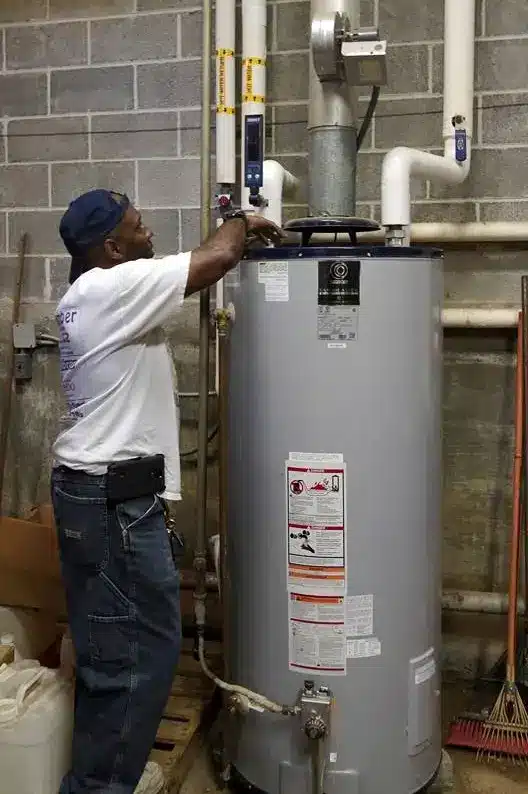
Cold showers when you expect hot ones are more than an annoyance. If you run out of hot water fast, get none at all, hear popping or rumbling from the tank, or see water pooling around its base, the heater is failing and it is time to call a plumber. Sediment buildup, a dead heating element, a bad thermostat, or a corroded tank are the usual causes. A tank leaking from the body cannot be repaired and needs replacement before it ruptures. Call a plumber for prompt water heater repair or replacement and avoid both cold mornings and a flooded utility room.
9. Frozen or Burst Pipes
Kansas City winters swing hard, and the freeze and thaw cycle is rough on pipes. Frozen water expands and can split a line, and the real damage arrives when it thaws and starts pouring. If you turn on a faucet during a cold snap and almost nothing comes out, or you spot frost on an exposed pipe, treat it as urgent and call a plumber. A burst pipe is a full plumbing emergency, so shut off your main water valve right away to limit the flooding, then call a plumber for help. Pipes in unheated crawl spaces, garages, and exterior walls are the most at risk.
10. Soggy Spots or Sinkholes in the Yard
The last sign sits outside. An unusually green, soft, or sunken patch in the yard, a sewer odor outdoors, or water pooling with no rain often means a broken pipe underground, and a strong reason to call a plumber. A cracked sewer line or a leaking water service line can wash out soil and undermine your foundation if it runs long enough. This is a sign you need a plumber with the right tools, since the fix lives several feet down. A sewer camera inspection pinpoints the break so the repair is targeted rather than a guess, instead of digging blind before the ground gives way.
What to Do While You Wait for the Plumber
Once you have decided to call a plumber, a few quick steps limit the damage before help arrives. For any major leak or burst pipe, shut off the water. Most homes have a main shutoff valve where the service line enters, often in the basement, a crawl space, or near the water meter, and turning it clockwise stops the flow to the whole house. For a single fixture, use the smaller valve underneath it. Knowing where that main valve is, before you ever need it, can save thousands of dollars in water damage on the day you finally have to call a plumber.
If you smell gas, do not flip switches or light anything. Leave the home, then call your gas utility and call a plumber from outside. For an overflowing toilet, lift the tank lid and push the flapper down to stop the fill. For a leaking water heater, shut off its water supply and its power or gas. Then clear the area, move valuables away from the water, and put down towels or a bucket. None of this replaces the repair, but it buys time and keeps a bad day from getting worse.
What It Costs to Call a Plumber in Kansas City
Cost is the question behind most hesitation, so here is the honest version. The price to call a plumber depends on the job, the parts, and whether it is a standard appointment or an after hours emergency. A simple repair is modest, while a sewer line or water line replacement is a larger project. The mistake that gets expensive is waiting, because a small leak that could have been a quick fix turns into drywall, flooring, and mold work. For typical ranges before you call a plumber, see our breakdown of what a plumber should cost.
When you call John the Plumber, you get a clear assessment and an upfront price before any work starts, so there are no surprises on the invoice. We offer free estimates, and we will tell you honestly whether something needs immediate attention or can be scheduled for later. That straight talk is a big part of why Kansas City homeowners keep our number on the fridge.
Why Kansas City Homes Call a Plumber Sooner
Older housing stock is the reason so many local calls cannot wait. A large share of Kansas City area homes are at least forty years old, which means original galvanized supply lines, cast iron and clay drains, and service lines that have spent decades in shifting clay soil. Add the hard freeze and thaw swings of a Missouri and Kansas winter, and small weaknesses turn into failures fast. The same symptom in a 1950s bungalow and a new build can have very different causes, and that is exactly where local experience earns its keep and tells you when to call a plumber.
Here is how the common signs of a plumbing problem usually map to a cause and a fix in homes around the metro.
| Warning sign | Likely cause in older KC homes | What usually fixes it |
|---|---|---|
| Whole house low pressure | Corroded galvanized supply lines | Repipe or water line replacement |
| Recurring main drain backups | Tree roots in clay or cast iron sewer | Camera inspection then sewer repair |
| Rusty or discolored water | Aging steel pipe or an old service line | Pipe or service line replacement |
| Drain clears then slows again | Scale and damage inside old pipe | Cleaning plus a drain evaluation |
| No hot water, popping tank | Sediment in an aging heater | Repair or replace the water heater |
You do not need to diagnose any of this yourself. That is our job, and a quick visit usually tells the whole story. Wherever you are in the metro, you can find your nearest crew on our service area page and call a plumber who knows local homes.
Seeing one of these signs? Do not wait for it to get worse.
John the Plumber is family owned, licensed in both Missouri and Kansas, and ready to help across the Kansas City metro with same day and emergency service. Call now and talk to a real person who can tell you exactly what to do next.
FAQs About When to Call a Plumber
Still weighing whether your problem can wait? These are the questions Kansas City homeowners ask us most often about when to call a plumber, what counts as an emergency, and what to expect on the bill. If your situation is not covered here, call a plumber and describe it, and we will tell you straight whether it needs a same day visit or can be scheduled.
What is considered a plumbing emergency?
A plumbing emergency is any problem actively causing water damage or leaving you without safe water, such as a burst pipe, a sewer backup, a ruptured water heater, a gas smell, or total loss of water. Those cannot wait, so call a plumber right away. Slow drains and single drips are urgent but not emergencies.
Should I try to fix it myself or call a plumber?
Minor jobs like a clogged aerator or a single plunged sink are fine to try yourself. If the problem keeps returning, involves the main line, or you are unsure, call a plumber, since a wrong DIY fix often costs more than the original repair. When in doubt, call a plumber and describe the issue first.
How much does it cost to call a plumber in Kansas City?
The cost to call a plumber depends on the job, the parts, and whether it is a standard or after hours visit. Simple repairs are modest, while sewer or water line work is larger. John the Plumber gives an upfront price before work starts and offers free estimates, so there are no surprises on the bill.
Should I shut off my water before the plumber arrives?
Yes. For any major leak or burst pipe, shut off your main water valve before the plumber arrives, usually located where the service line enters near the meter. Turn it clockwise to stop flow to the whole house. For one fixture, use the valve beneath it. This limits damage while you wait for help.
Do you offer same day or emergency plumbing service in Kansas City?
Yes. John the Plumber offers same day and emergency plumbing service across the Kansas City metro, on both the Missouri and Kansas sides. If you have a burst pipe, a sewer backup, or no water, call a plumber immediately at (816) 708-2020 and we will get a crew out to you fast.