
📅 Updated June 22, 2026
Key Takeaways
- A sump pump that grinds, runs nonstop, short cycles, or shows rust is warning you that it may fail soon.
- The most common failure is a stuck float switch, not a dead motor, and it is often a quick, low cost repair.
- Follow the fifty percent rule: if a repair costs more than half the price of a new pump and the unit is past seven years old, replace it.
- Sump pump repairs usually run $75 to $550, while a full replacement runs about $400 to $1,200 installed in the Kansas City area.
- A battery backup is the best upgrade for storm country, since power often fails during the same storm that floods the basement.
- Test your pump quarterly with a bucket of water and replace any pump over ten years old before it quits on you.
If your sump pump is making strange noises, running nonstop, or failing to clear water from the pit, it is sending you a clear warning. In most Kansas City homes, a failing sump pump needs either a focused repair or a full replacement. A stuck float switch or a bad check valve is often a quick fix in the $75 to $200 range, while a worn out pump that is past seven to ten years old usually calls for replacement at roughly $400 to $1,200 installed. The safe move is to have a licensed plumber diagnose it before the next heavy storm rolls through.
Below we break down the seven warning signs that your pump is on the way out, what makes these pumps fail, the real cost to repair versus replace one in the Kansas City area, and how to pick a repair service you can trust. The goal is simple: keep your basement dry and help you spend money only where it actually protects your home.
What a Sump Pump Does, and Why Kansas City Basements Need One
A sump pump sits in a pit at the lowest point of your basement or crawl space. When groundwater rises after heavy rain or snowmelt, it collects in that pit, lifts a float switch, and the pump switches on to push the water out through a discharge pipe and away from your foundation. When it works, you barely notice it. When it quits, you find out fast, usually in the form of a wet basement and ruined belongings.
Kansas City sees its share of hard spring and summer storms, and a lot of the metro sits on heavy clay soil that holds water against foundations. That combination is exactly what a sump pump is built to handle. Water is patient and persistent, and even an inch of standing water in a finished basement can run into tens of thousands of dollars in damage to flooring, drywall, and stored belongings. A working pump is cheap insurance against a very expensive afternoon.
It is worth knowing what your pump is not built for. A sump pump moves clean groundwater, not sewage. If you are getting dark, foul smelling water backing up through a basement floor drain, that points to a sewer problem rather than the pump, and you can read more on our sewer line backup page. Catching trouble early matters either way, which is the same reason it pays to know the signs of water in your home before damage spreads.
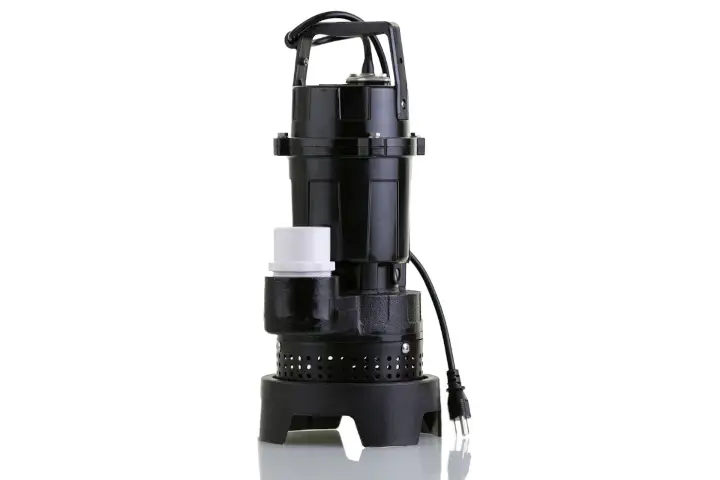
7 Warning Signs You Need a New Sump Pump
Most pumps give you notice before they fail outright. These are the seven signs we tell Kansas City homeowners to watch for. One sign on its own may just mean a repair. Several together usually mean the pump is near the end of its life and replacement is the smarter call.
Strange noises are the first tell. A healthy pump makes a low, steady hum. Grinding, rattling, or loud humming points to a worn bearing, debris caught in the impeller, or a motor starting to go. Excessive vibration usually means a bent or damaged impeller, and a pump that vibrates hard while it runs rarely lasts much longer.
Running constantly is another. If the pump never shuts off, it is either overwhelmed by incoming water or stuck in the on position. The single most common sump pump failure we see on Kansas City service calls is not a dead motor. It is a float switch that has drifted sideways and wedged against the pit wall, so the pump either runs nonstop or never kicks on at all. Constant short cycling, where the pump clicks on and off every few seconds, points to that same float switch trouble or an electrical fault.
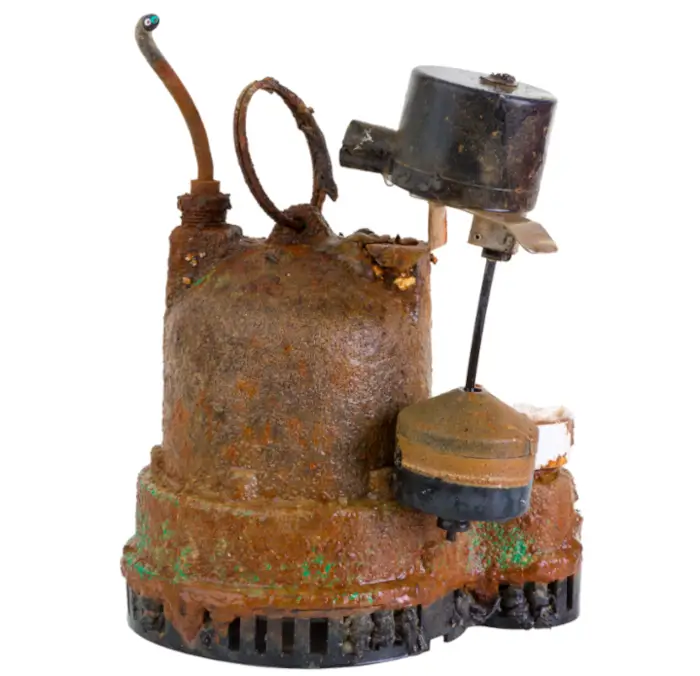
Age and rust round out the list. Most submersible pumps last five to fifteen years, and once a unit is past the seven to ten year mark, parts start failing in clusters. Visible rust or corrosion on the housing, or brown buildup on a backup battery terminal, means the pump is wearing out from the inside. A pump that sits unused for long dry stretches can also seize up, so even a dry season pump needs an occasional test run.
Finally, watch for a pump that simply cannot keep up. If the pit keeps filling during a storm while the pump runs flat out, the unit may be undersized or losing power, and it is at real risk of burning out. The same goes for a pump you never hear run during heavy rain. If you spot any of these, it is worth a call, and our guide on when to call a plumber right away is a good gut check.
| Warning sign | What it usually means | What to do |
|---|---|---|
| Grinding or rattling noise | Worn bearing, debris, or failing motor | Inspect soon |
| Excessive vibration | Bent or damaged impeller | Repair or replace |
| Runs constantly, never shuts off | Stuck float switch or pump overwhelmed | Call now |
| Short cycling on and off | Float switch or electrical fault | Diagnose soon |
| Visible rust or corrosion | Pump wearing out internally | Budget to replace |
| 7 to 10+ years old | Past its typical lifespan | Replace soon |
| Cannot keep up in a storm | Undersized or losing power | Add backup |
Not sure whether your pump needs a repair or a full replacement? John the Plumber gives straight answers and upfront pricing across the Kansas City metro. Call (816) 708-2020 for same day help.
What Makes a Sump Pump Fail
Knowing why pumps fail helps you catch trouble early and decide whether a repair is even worth it. A handful of problems cause most of the failures we see in the field, and a few of them are easy to head off with basic upkeep.
Float switch problems top the list. The float is the trigger that tells the pump when to turn on and off, and tethered floats can tangle on the power cord or hang up against the pit wall. Motor wear and age come next, since a motor that has cycled through thousands of storms eventually gives out. After that come clogs and debris in the pit or impeller, a stuck or bent impeller, and power loss during storms, which is less a pump fault than a fact of life in a region with hard summer thunderstorms.
That last point deserves real attention. Here is the part most homeowners learn the hard way: the power usually goes out during the exact storm that is flooding the basement. A primary pump with no battery backup fails at the one moment you need it most. That is why a backup system, covered further down, is the single best upgrade for any home that loses power in storms.
Sump Pump Repair vs Replacement: When to Fix It and When to Replace It
The honest answer comes down to two questions: how old is the pump, and how much does the fix cost compared to a new one. A good rule of thumb plumbers use is the fifty percent rule. If a repair costs more than half the price of a new pump, and the unit is already past seven years old, replacement is the smarter spend.
Sump pump repair makes sense on a newer unit with a single failed part. A stuck float switch or a bad check valve is cheap and quick, and the rest of the pump still has years of life left. Once you are replacing a motor or an impeller on an older pump, the labor climbs toward the cost of a full replacement, and you get no fresh warranty and no real gain in reliability for the money. Put simply, a $300 repair on a $400 pump that is nine years old is money poured into the pit.
Sump pump replacement is the better value on a pump that is corroded, undersized, or near the end of its lifespan. The good news is that a replacement in an existing pit is usually cheaper than a brand new installation, because the pit, discharge line, and electrical connection are already in place. Our team can handle either path and will tell you honestly which one your pump calls for. You can see the full range of work on our plumbing repair services page.
| The problem | Repair or replace | Typical Kansas City cost |
|---|---|---|
| Stuck or bad float switch | Repair | $75 to $125 |
| Failed check valve | Repair | Under $200 |
| Full pump repair (parts plus labor) | Repair if newer | $200 to $550 |
| Pedestal pump replacement, installed | Replace | $400 to $900 |
| Submersible pump replacement, installed | Replace | $500 to $1,200 |
| Add a battery backup system | Upgrade | $350 to $1,000+ |
| Annual maintenance and inspection | Maintain | $100 to $250 |
Treat these as planning ranges, not a quote. Prices move with pump type, how accessible the pit is, and whether any electrical or pit work is needed. Emergency after hours service adds a fee, and a job that requires a new pit or new wiring will run higher.
Submersible, Pedestal, or Battery Backup: Which Sump Pump Is Right
If you are replacing a pump, the type matters for noise, power, and how long the unit lasts. There are two main primary pumps, plus the backup systems that protect you when the power fails.
Submersible pumps sit down inside the pit, underwater. They run quietly, handle more water, and the surrounding water actually helps cool the motor. They cost a little more and typically last five to fifteen years. They are the right call for basements with a real flood risk, which describes a lot of Kansas City homes on clay soil.
Pedestal pumps keep the motor up on a shaft above the pit. They are cheaper to buy and easier to service, and because the motor stays dry they can last far longer, up to twenty five or thirty years. The tradeoffs are noise and less pumping power, so they fit smaller pits and lower flood risk situations better than a finished basement.
Battery backup systems are not a luxury in storm country. A backup pump sits beside the primary unit and kicks on automatically if the power drops or the main pump is overwhelmed. Most run several hours of continuous pumping on a charge, and the battery itself lasts roughly three to seven years. For a finished basement or any home that loses power during storms, this is the upgrade that genuinely saves the day. A water powered backup is another option where it is allowed, since it needs no electricity at all.
| Pump type | Best for | Typical lifespan | Typical unit cost |
|---|---|---|---|
| Submersible | Higher flood risk, quiet operation | 5 to 15 years | $100 to $400 |
| Pedestal | Lower flood risk, easy service | Up to 25 to 30 years | $60 to $170 |
| Battery backup | Power outages during storms | 3 to 7 years (battery) | $350 to $1,000+ installed |
| Water powered backup | Homes wanting no electricity dependence | Very long | $300 to $1,000 installed |
What to Expect During a Sump Pump Replacement
A straightforward replacement in an existing pit is not a major project. Most swaps take one to a few hours depending on access and any upgrades. Knowing the steps helps you read an estimate and spot anyone cutting corners.
The plumber first cuts power at the breaker and unplugs the pump, then lifts the old unit out of the pit and inspects the basin for debris and the check valve for wear. The new pump is set in place, connected to the discharge line, and fitted with a check valve so water in the pipe cannot drain back into the pit. The float is adjusted so it moves freely without catching the wall or cord, power is restored, and the system is tested by filling the pit until the pump cycles on and shuts off cleanly.
This is also the natural moment to add a battery backup, since the crew is already in the pit, and to confirm the discharge line exits at least ten feet from the foundation and slopes away so it does not freeze or feed water back toward the house. Done right, a replacement should leave you with a quiet pump, a clean cycle, and years of protection.
How to Keep Your Sump Pump Working
A little upkeep adds years to a pump and, more important, keeps it from failing in the middle of a storm. None of this takes long, and most of it you can do yourself in a few minutes.
- Test it quarterly by slowly pouring a five gallon bucket of water into the pit and confirming the pump kicks on, clears the water, and shuts off cleanly.
- Clear debris out of the pit once a year so nothing jams the float or the impeller.
- Check that the float moves freely and is not hung up on the power cord or the pit wall.
- Inspect the check valve so water in the discharge pipe does not drain back into the pit.
- Before winter, make sure the discharge line is clear and not at risk of freezing.
- Confirm the discharge exits at least ten feet from the foundation and slopes away from the house.
- If you have a battery backup, check the charge level and look for corrosion on the terminals.
Federal flood readiness guidance is blunt about replacement timing: assess the pump every year and replace it if it is more than ten years old, if you never hear it run, or if it cycles on and off during rain. You can read the full checklist in FEMA’s sump pump maintenance guide.
Choosing a Sump Pump Repair Service in Kansas City
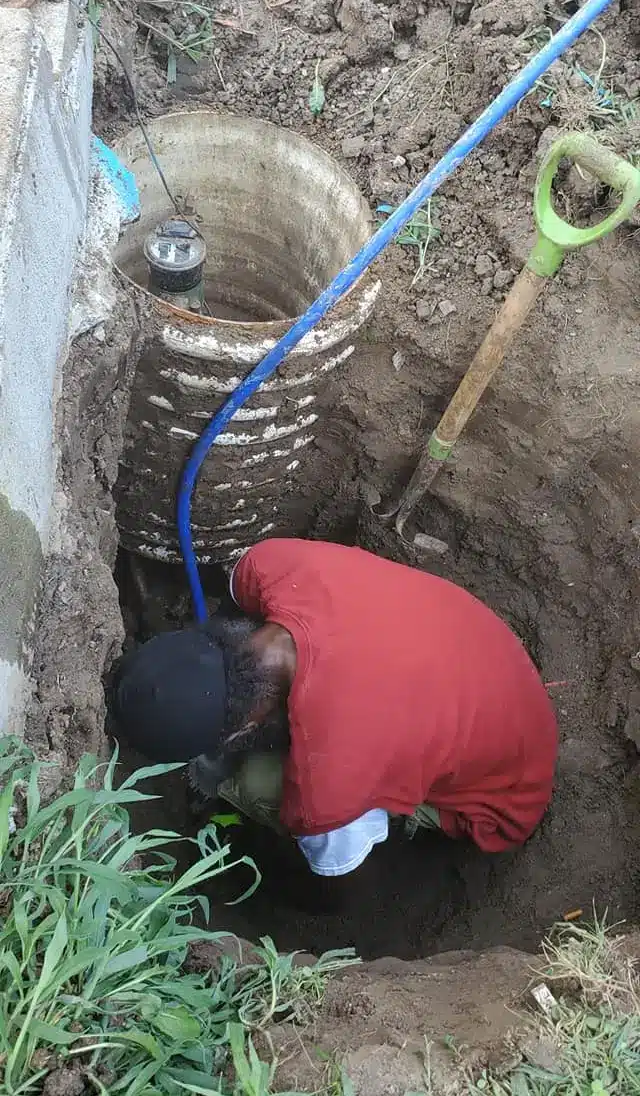
When water is rising, you do not have time to vet five companies. A little knowledge up front helps you pick well under pressure. The best sump pump repair services share a few traits worth checking for.
Start with licensing and real experience on pumps specifically, not just general plumbing. Ask how many sump pump repairs and replacements the company handles in a year. Look for genuine emergency availability, because water damage does not wait for business hours. Read recent reviews, and favor a company that gives clear, upfront pricing and puts the estimate and any warranty in writing before the work starts.
There is a real advantage to hiring local. A nearby team knows Kansas City soil, weather, and code, keeps trucks stocked for common repairs, and can reach you faster in an emergency. If you are weighing your options, our page on finding a trusted local plumber near you walks through exactly what to look for.
John the Plumber has served the Kansas City metro for over thirty years under master plumber John Hunt. We repair and replace sump pumps for homes and businesses on both the Missouri and Kansas sides of the line, with honest diagnosis and same day service whenever possible. If your pump is showing any of the warning signs above, remember that the cheapest fix is always the one that happens before the basement floods.
Keep Your Kansas City Basement Dry
A failing sump pump is a problem you want handled before the next storm, not during it. John the Plumber offers fast, honest sump pump repair and replacement across the Kansas City metro, with upfront pricing and same day service when you need it.
Sump Pump Repair and Replacement FAQs
Quick answers to the questions Kansas City homeowners ask us most about sump pump repair, replacement, and upkeep.
How long does a sump pump last?
Most submersible sump pumps last five to fifteen years, while pedestal pumps can run up to twenty five or thirty years since the motor stays dry. Once a pump passes seven to ten years, plan to replace it. Annual testing and cleaning help you get the full lifespan out of any unit.
Is it better to repair or replace a sump pump?
Repair a newer pump with a single failed part, like a stuck float switch or a bad check valve. Replace it if the pump is over seven years old or the repair costs more than half the price of a new unit. Replacement in an existing pit is usually cheaper than a first time install.
How much does sump pump replacement cost in Kansas City?
A sump pump replacement in an existing pit typically runs about $400 to $1,200 installed, depending on whether you choose a pedestal or submersible model. Adding a battery backup adds roughly $350 to $1,000 or more. Jobs needing a new pit or new wiring cost more.
Why does my sump pump run constantly?
A sump pump that runs nonstop usually has a float switch stuck in the on position, often wedged against the pit wall or tangled on the cord. It can also mean the pump is too small for the water coming in. Either way, have it checked before the motor burns out.
Do I need a battery backup sump pump?
Yes, if you have a finished basement or lose power during storms. Outages often hit during the same storm that floods a basement, leaving a primary pump useless. A battery backup kicks on automatically and runs for several hours, making it the best flood protection upgrade you can add.
Does homeowners insurance cover sump pump failure?
Usually not. Standard homeowners policies typically exclude damage from sump pump failure or groundwater flooding. You generally need a separate water backup and sump pump overflow endorsement. Check your policy now rather than after a flood, and ask your agent about adding the rider.